Small Shelf Tweaks, Big Health Wins

Today we explore pantry nudges for healthier eating, turning everyday cupboards into quiet allies for better choices. Through smart placement, simple labeling, and convenient defaults, we’ll make nutritious options feel effortless, inviting, and exciting. Expect practical steps, encouraging stories, and gentle science-backed guidance you can try tonight. Share what works for you, ask questions, and tell us how your shelves look now—this space grows stronger with your experiences, photos, and small victories that build momentum for lasting habits.

Design Your Shelves Like a Choice Architect

Your pantry can guide decisions without lectures or stress. Arrange foods so the easy option is the better one: eye-level whole foods, pre-portioned snacks, and staples ready for quick meals. The aim is to reduce friction, highlight freshness, and create a calm, inviting landscape. Every jar, basket, and label becomes a small signal saying, “You’ve got this,” helping willpower by making the healthiest path also the simplest and most visible path you encounter.

Visibility and Reach: Eye Level Is Willpower

Place high-fiber cereals, oats, beans, and nuts at eye level, while treats migrate to higher or lower shelves. Clear containers show abundance and freshness, reducing anxiety around choice. A fruit bowl near the pantry door or a jar of almonds beside tea nudges a better pick. Visibility removes hesitation, and reachability saves time, making healthy options the default action on busy mornings or snack-craving evenings.

Pre‑Portioning for Automatic Wins

Pre-pack single servings of nuts, popcorn, or dried fruit into small jars or reusable bags, then store them in a grab-and-go bin. Portion cues replace guesswork, lowering the chance of overpouring when you’re distracted or hungry. Add a friendly note like “Great for afternoon slumps” to connect moments with choices. When hunger strikes, the effort is already done, turning rushed decisions into steady, mindful patterns you can rely on consistently.

Stock Smart: What to Add, Swap, and Retire
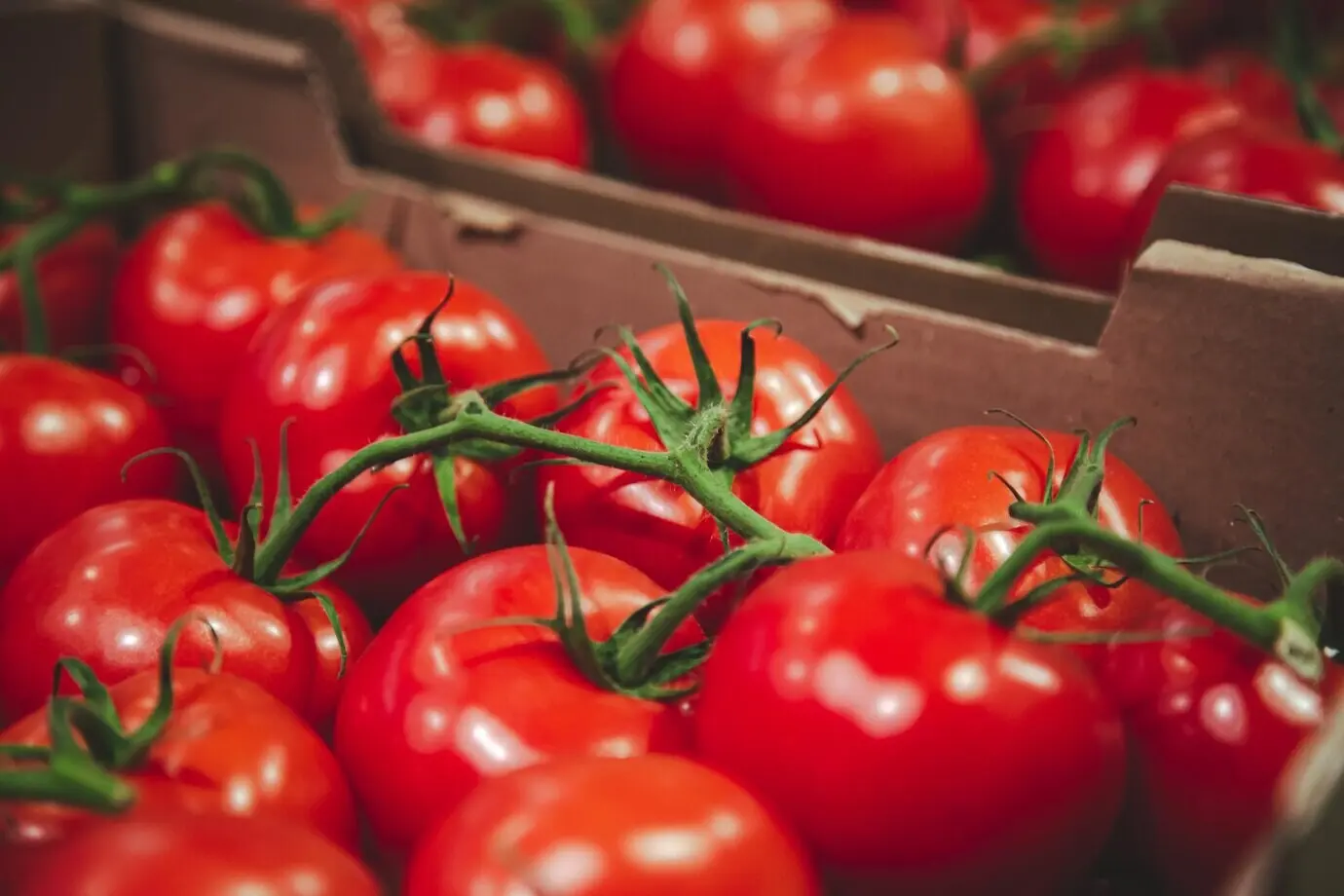
Inventory choices shape everyday meals long before cooking begins. Build a baseline of satisfying, versatile staples that make balanced plates nearly inevitable. Think flavor, fiber, and fullness, supported by practical shelf life. Then make gentle swaps: sauces with less sugar, broths with lower sodium, crackers with whole grains, and sweets replaced by fruit-forward options. Retire items that don’t serve your goals, or move them out of the spotlight, and celebrate small, sustainable adjustments that compound over weeks.

Labeling That Nudges, Not Nags

Front‑of‑Container Prompts That Inspire

Add simple prompts like “Add to Salads,” “Stir into Oats,” or “Pre-Workout Snack” on jars and bins. Suggest a serving size without rigidity, emphasizing enjoyment and ease. Bright, readable labels turn hesitation into action, especially on busy mornings. Pair words with tiny icons—sun for breakfast, lightning bolt for energy, leaf for greens. These cues meet you in real moments, transforming a crowded shelf into a friendly guide that remembers your needs when your brain feels overloaded.

Color Coding and Icons for Quick Decisions

Add simple prompts like “Add to Salads,” “Stir into Oats,” or “Pre-Workout Snack” on jars and bins. Suggest a serving size without rigidity, emphasizing enjoyment and ease. Bright, readable labels turn hesitation into action, especially on busy mornings. Pair words with tiny icons—sun for breakfast, lightning bolt for energy, leaf for greens. These cues meet you in real moments, transforming a crowded shelf into a friendly guide that remembers your needs when your brain feels overloaded.

Dates, Batches, and Rotation Without Waste

Add simple prompts like “Add to Salads,” “Stir into Oats,” or “Pre-Workout Snack” on jars and bins. Suggest a serving size without rigidity, emphasizing enjoyment and ease. Bright, readable labels turn hesitation into action, especially on busy mornings. Pair words with tiny icons—sun for breakfast, lightning bolt for energy, leaf for greens. These cues meet you in real moments, transforming a crowded shelf into a friendly guide that remembers your needs when your brain feels overloaded.

Systems and Rituals That Keep Momentum

Rituals make nudges stick. Tiny routines—five-minute resets, weekly restocks, and pre-portioning—remove friction exactly where it appears. Pair tasks with existing habits: label while the kettle boils, refill jars after unloading groceries, review staples during Sunday coffee. A few consistent anchors prevent clutter and confusion from creeping back. These micro-systems are not chores; they’re the quiet rhythm that protects your goals, keeps shelves readable, and turns healthy eating into a dependable, low-effort pattern throughout changing seasons and schedules.

Stories From Real Kitchens

Practical nudges shine in real life, where time is short and appetites vary. These stories reveal how small shifts ripple outward: a jar moved to eye level changes breakfast, a labeled bin curbs late-night grazing, a weekly reset saves money. They aren’t perfection tales; they’re honest experiments filled with learning. Take what resonates, remix it for your space, and share your results so others can benefit. Every pantry becomes a classroom where supportive ideas multiply gently.

A Busy Nurse’s Eye‑Level Jar Experiment

After a long shift, dinner felt impossible. She moved quick-cook brown rice, canned salmon, and spice blends to eye level, with a lemon bowl nearby. In two weeks, she reported fewer takeout orders and calmer evenings. The nudge wasn’t willpower; it was preparation meeting fatigue. Seeing her “fast dinner trio” first meant healthy wins needed no negotiation, just a squeeze of lemon and a shake of spices that brought familiar comfort swiftly and consistently after demanding days.

Family Trail‑Mix Station That Ends Snack Battles

A family created a shelf-level station with jars of nuts, seeds, unsweetened dried fruit, and dark chocolate chips. A scoop and small containers made self-serve mixes easy. Kids customized blends, and parents stopped policing snacks. A simple “Build Your Mix” label reframed choice as play. With fiber and healthy fats front and center, afternoon meltdowns faded. Treats still existed, but the station became the default, proving autonomy and structure can live together without constant negotiations or stress.

Micro‑Pantry Wins in a Studio Apartment

Limited space forced focus. One renter used a single cabinet: top shelf for baking treats in opaque tins, middle shelf for grains and legumes in clear jars, bottom bin for pre-portioned snacks. Color-coded dots guided quick picks. A Sunday five-minute reset kept everything tidy. The simplicity felt luxurious, not restrictive. By foregrounding versatile staples and hiding impulse snacks, even a tiny pantry delivered variety, warmth, and a steady rhythm of easy meals that felt both nourishing and affordable.

The Gentle Science Behind Better Choices

Behavioral design shows that small environmental cues shape daily decisions more than fleeting motivation. Placing nutrient-dense foods within arm’s reach, reducing friction for healthy assembly, and creating helpful defaults increases follow-through. Pre-portioning offers clear stopping points, while attractive labels reduce cognitive load. None of this is about perfection; it’s about stacking the deck in your favor. As you experiment, note what works, share your tweaks, and invite friends to try—community insights strengthen everyone’s pantry playbook honestly.
Hefoxateruvomolevokure
Privacy Overview

This website uses cookies so that we can provide you with the best user experience possible. Cookie information is stored in your browser and performs functions such as recognising you when you return to our website and helping our team to understand which sections of the website you find most interesting and useful.