Write labels that say more than dates. Add simple prompts like lunch-ready, pair with salad, or protein first. These small cues turn quick glances into plans, reinforcing goals with kindness, helping every family member grab what fits their intention, schedule, and hunger level.
Group items by purpose in transparent bins: breakfast starters, salad toppers, or snack plates. A quick peek replaces rummaging, reducing door-open time and food waste. When everything has a clear home, you save minutes, spare energy, and naturally choose options aligned with your values.
Use subtle color cues across lids or dots: green for produce, blue for proteins, yellow for grains. The palette helps kids and adults assemble balanced plates quickly, without rules-heavy talk, while still leaving room for favorites, treats, and special moments that make meals joyful.
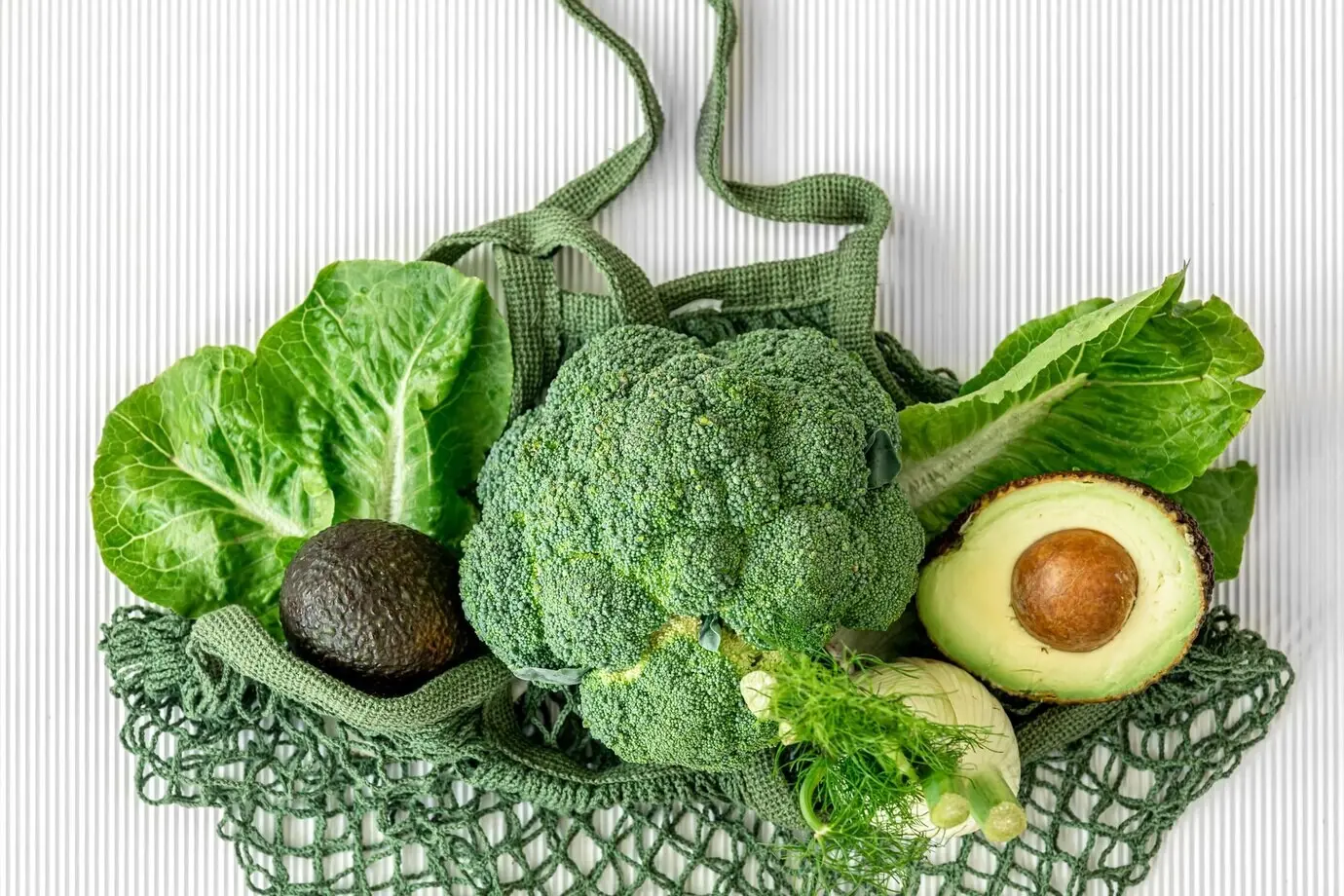
Wash berries with a vinegar rinse, dry thoroughly, and store in breathable containers. Slice peppers, cucumbers, and celery into snackable sticks beside a hummus jar. These moves shrink midweek prep time, reduce spoilage, and make crunchier, brighter choices feel exciting rather than dutiful.
Practice first-in, first-out using a shallow bin labeled Eat First, positioned center stage. Older yogurt, leftovers, and near-ripe fruit live here. The container acts like a gentle reminder, cutting waste while rewarding you with quick wins and effortless, satisfying snacks or lunches.
Before the weekend shopping trip, do a five-minute scan. Wipe shelves, consolidate doubles, and note gaps for vegetables, proteins, and whole grains. Share your pre-shop checklist in the comments, compare with friends, and gather new ideas that keep your refresh routine light and sustainable.
All Rights Reserved.